
The problem with FR-4
Most circuit boards start as glass fibre locked in epoxy: carbon-heavy to make, exposed to a strained supply chain and almost impossible to take apart.
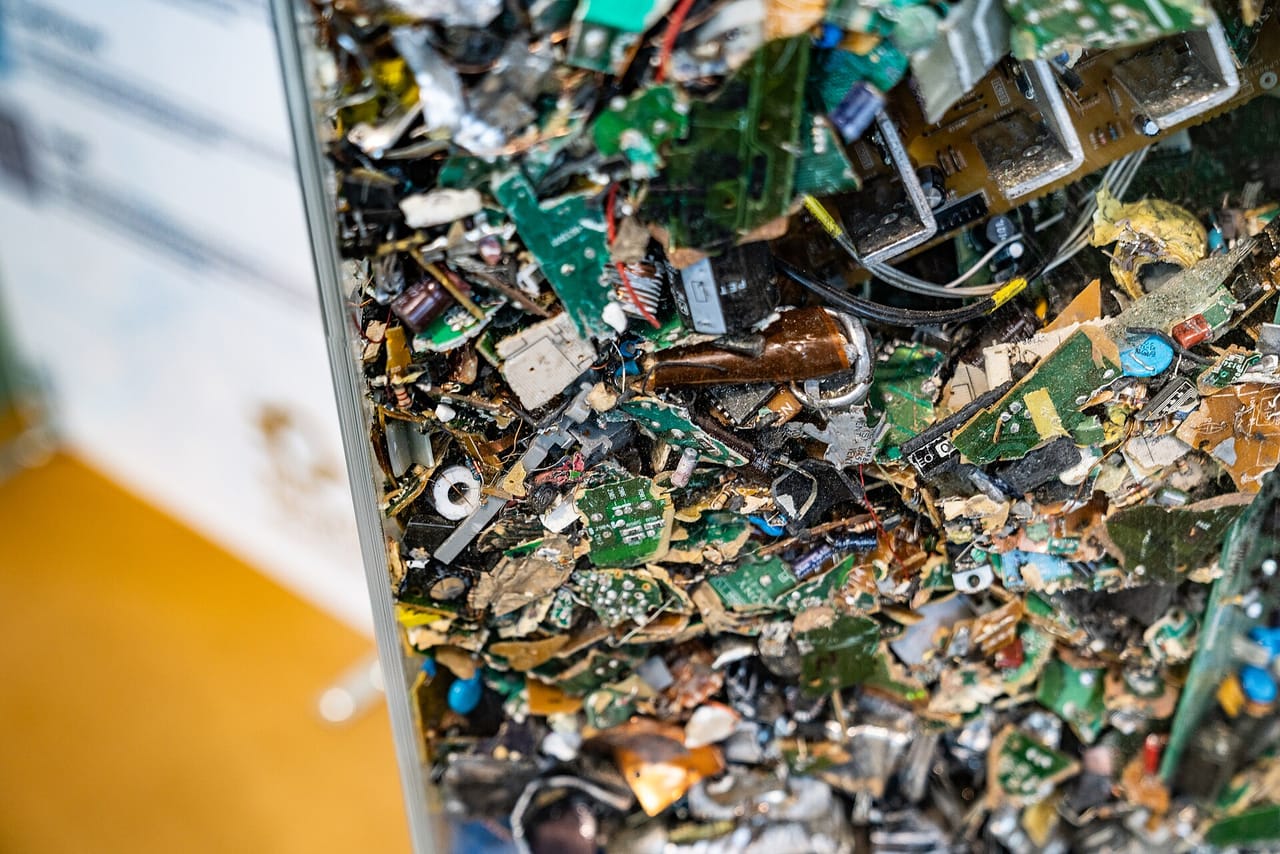
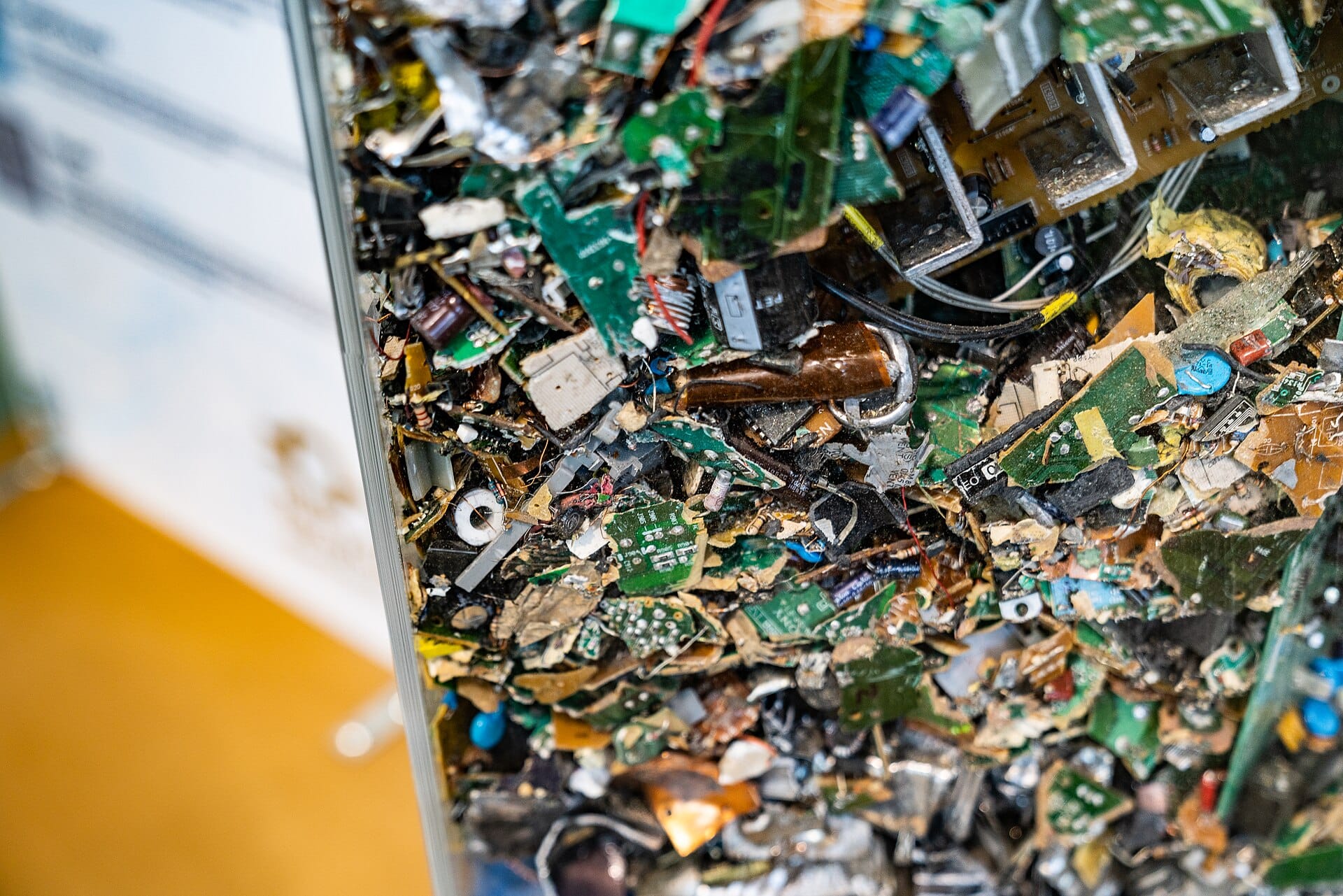
FR-4 combines glass-fibre reinforcement with thermoset epoxy resin. Its materials and processing carry embodied carbon, and its permanently bonded structure makes separation difficult at end of life. The only commercial route today is to shred and incinerate boards for the metals inside.
Meanwhile, demand from AI infrastructure, electrification and other high-performance electronics is putting pressure on PCB materials and capacity. For cost-sensitive, high-volume products, supply continuity and price matter more every year.
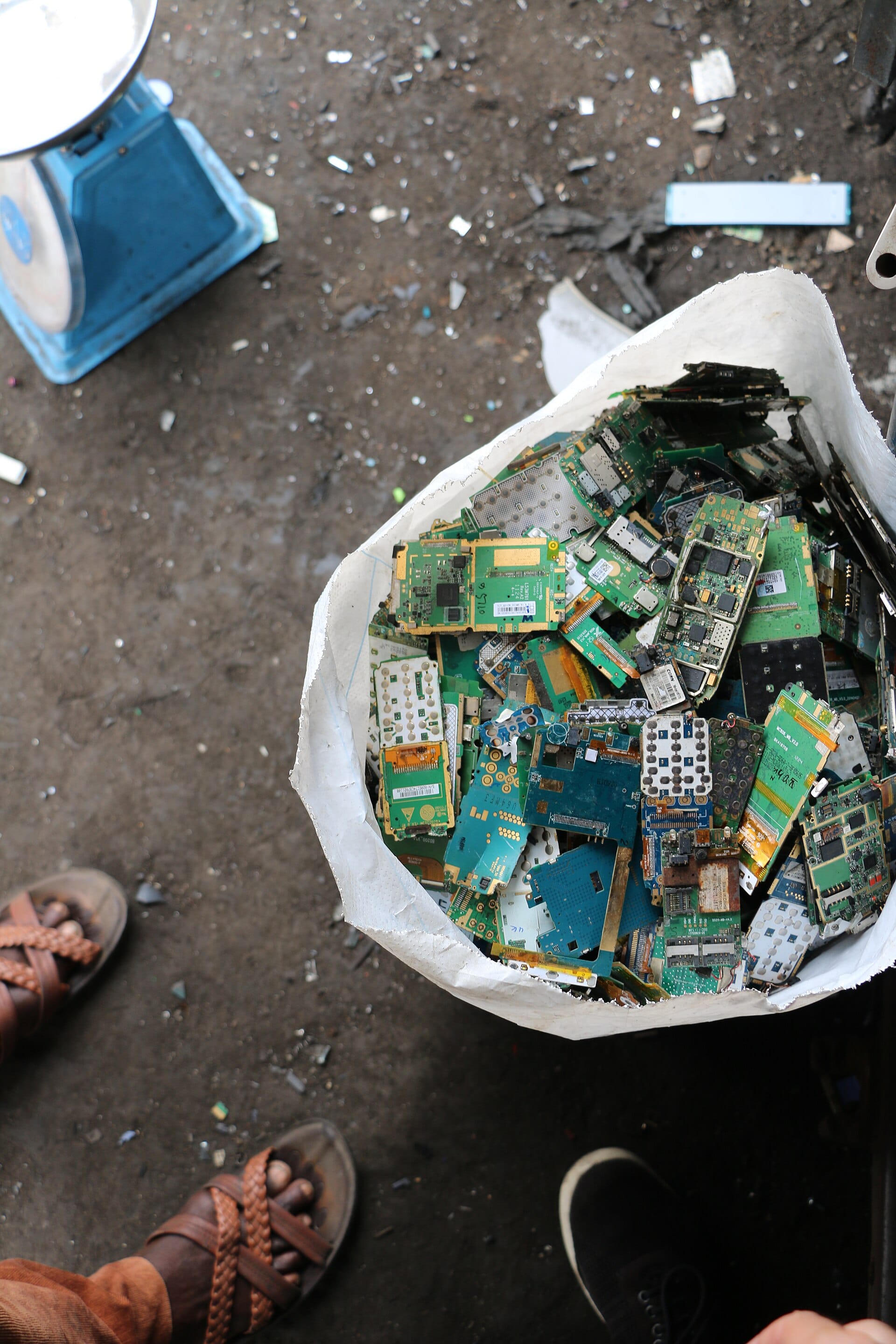
Electronics manufacturers face a combined challenge: cut Scope 3 emissions while protecting performance, availability and cost. Changing the material at the foundation of the PCB addresses all three without redesigning the supply chain around it.


